

Courtrooms are often imagined as places of rigid rules, formal language, and stark justice. But behind those closed doors, the story is far more human. Every case carries layers of emotion, tension, and personal struggle that rarely make it into the headlines. From confessions to testimonies, behind-the-scenes conversations to subtle courtroom gestures, these stories offer insight into the human experience of justice. They remind us that law is not just about rules; it’s about people navigating high-stakes moments of vulnerability and truth.
The Weight of Confessions
Confessions in court are more than admissions of guilt; they are moments of raw honesty. For some, confessing is a release of long-held guilt, a step toward accountability, or even a strategic move guided by advice from attorneys. Each confession carries a story—of fear, remorse, regret, or desperation—that can reshape the entire case. Listening to these moments reminds us that behind legal proceedings are human lives wrestling with conscience and consequence.
The Untold Stories of Witnesses

Witnesses often carry experiences and perspectives that shape the courtroom narrative in subtle but significant ways. Their testimonies aren’t just evidence; they are stories filled with personal stakes, conflicting loyalties, and unexpected emotions. Some witnesses are reluctant, some eager, and some haunted by what they must reveal. These behind-the-scenes struggles often illuminate nuances in the law that strict facts alone cannot convey.
Lawyers as Storytellers
Attorneys play a crucial role in bringing these human stories to light. Beyond citing statutes and precedent, they craft narratives that make sense of complex events, translating human behavior into legal arguments. The stories they tell are carefully constructed, but they are grounded in truth, aiming to evoke empathy, clarify motives, and influence outcomes. Courtroom storytelling is the art of balancing the law with human reality.
Judges and the Subtle Human Drama

Judges may seem like impartial arbiters, but they witness the emotional undercurrents of every trial. Their decisions often consider not only the law but also the context behind each confession, testimony, and interaction. Observing a trial reveals how judges weigh human behavior alongside legal rules, reminding us that courtroom decisions are rarely black and white—they are influenced by the stories unfolding before them.
Moments That Never Make the Record
Many significant courtroom moments happen off the official record: whispered conversations, a tearful pause, a hand clenched in tension, or private discussions with counsel. These fleeting interactions can reveal more about the stakes and human cost of a case than the formal transcripts. They are the silent confessions, small gestures, and unspoken emotions that shape the tone and trajectory of justice in ways few ever notice.
Courtrooms are often portrayed as arenas of pure logic and law, but they are ultimately spaces where human stories converge under intense scrutiny. Confessions, witness accounts, and subtle courtroom interactions reveal the emotional complexity behind legal outcomes. By paying attention to these stories behind closed doors, we gain a deeper understanding of justice—not just as a system of rules, but as a human endeavor shaped by courage, vulnerability, and the pursuit of truth. Justice is never only about law; it is always about people.…







 Child custody laws can be intricate and vary greatly from one jurisdiction to another. A child custody lawyer possesses a deep understanding of these laws and can provide expert guidance on the legal aspects of your case. They can explain the relevant laws, help you understand your rights and responsibilities, and ensure that you navigate the legal system effectively.
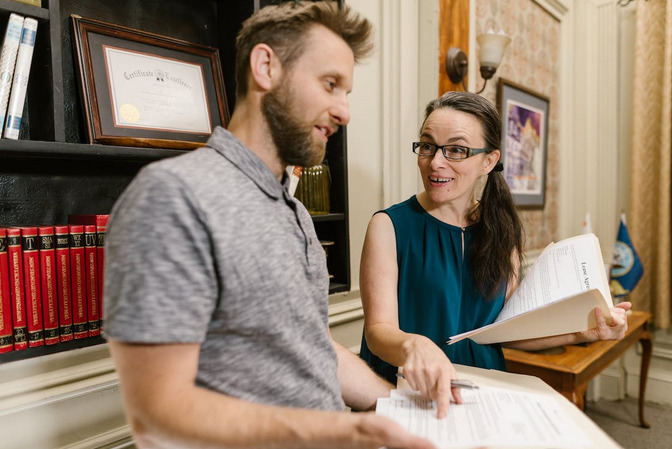 Child custody cases involve substantial paperwork and legal formalities. Filling out the necessary forms and adhering to the procedural requirements can be overwhelming. A child custody lawyer will handle all the paperwork, ensuring that it is filed correctly and on time. This helps to avoid delays and complications in your case.


 There are so many lawyers out there, but not all of them can handle
  It is also a great help in decision-making to get to know the potential divorce lawyer personally in a consultation. Through a face-to-face interview, you can determine whether the lawyer speaking with you is an appropriate lawyer for your divorce. Make sure that the chemistry between you and your lawyer is right and that your divorce lawyer can explain the matter to you in an understandable way.
 mistakes that can deny you compensation. Compensation lawyers will advise you on different things to do or say during your hearing which is vital in helping you secure compensation. You should look for one who is experienced and qualified for the job. There are several instances when you might be forced to hire a compensation lawyer. They include:
 you find the right doctor for your treatment. They will also liaise with the compensation company to prioritize your issue and forward it to the relevant settlement board. This will help you get your claim. Look for an excellent lawyer to help you get the workers’ compensation you deserve.…







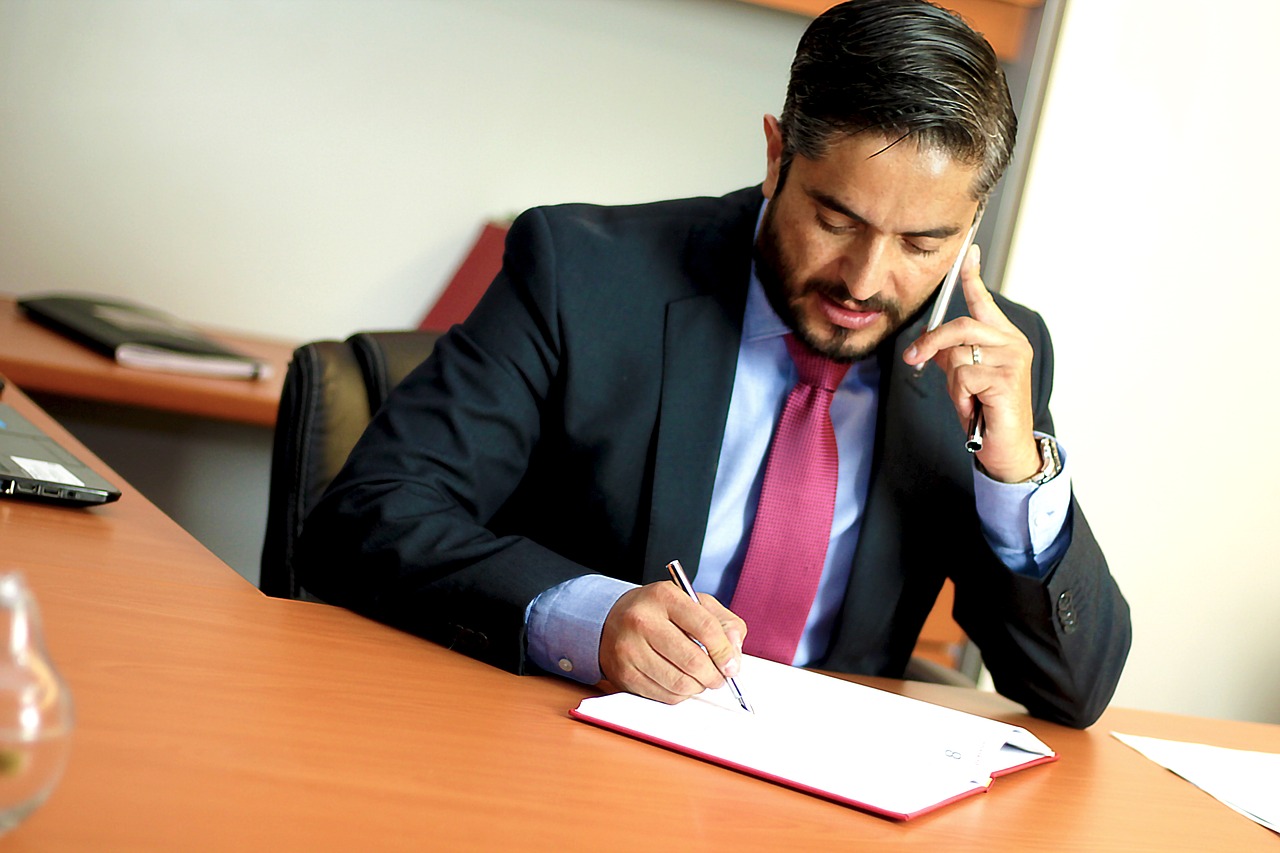




 Divorce lawyers offer professional advice on paternal or maternal custody of children especially during the divorce process and after. In certain special situations, they offer legal advice to multi-state or international child custody among divorced parties. They assist their clients in understanding the privileges and limitations that accompany child custody, child visitation, child funding and support as well as alimony which is spouse support.
 In most circumstances, divorce lawyers may intervene in a divorce case to offer counseling on likely reconciliation among the parties considering the cost and the impact of the divorce on the parties, their children and their property. Through collaborative divorce or divorce mediation, they may seek out of court redress of the whole issue. This process may also allow the parties to agree on different issues once they agree to settle for a divorce.
 It is important to realize that one purpose of the legal process of divorce is resolving the custody issues and dissolving the assets. The primary task of your attorney is to give you the best representation in the courts during the process. While you might be undergoing psychological and emotional torture, you must bear in mind that he is not trained to be your therapist coach.
 When you decide to go the legal way, it is critical to note that the ultimate goal of the process is to get divorced. However, this should not take a heavy toll on your mental, emotional, or physical health because you will have a life to live after the divorce.