
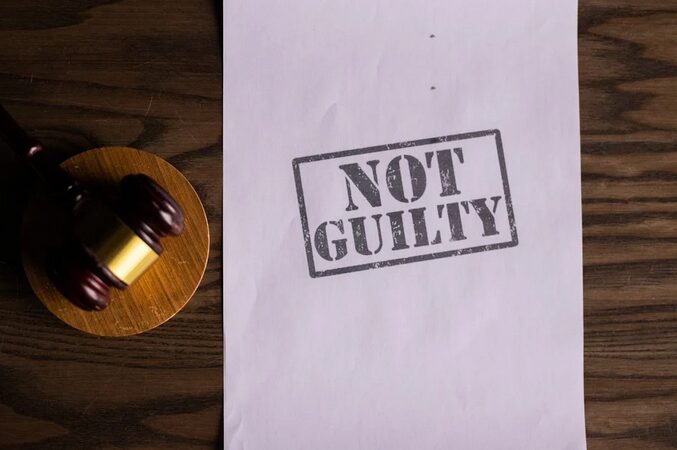
Courtrooms are often imagined as places of rigid rules, formal language, and stark justice. But behind those closed doors, the story is far more human. Every case carries layers of emotion, tension, and personal struggle that rarely make it into the headlines. From confessions to testimonies, behind-the-scenes conversations to subtle courtroom gestures, these stories offer insight into the human experience of justice. They remind us that law is not just about rules; it’s about people navigating high-stakes moments of vulnerability and truth.
The Weight of Confessions
Confessions in court are more than admissions of guilt; they are moments of raw honesty. For some, confessing is a release of long-held guilt, a step toward accountability, or even a strategic move guided by advice from attorneys. Each confession carries a story—of fear, remorse, regret, or desperation—that can reshape the entire case. Listening to these moments reminds us that behind legal proceedings are human lives wrestling with conscience and consequence.
The Untold Stories of Witnesses
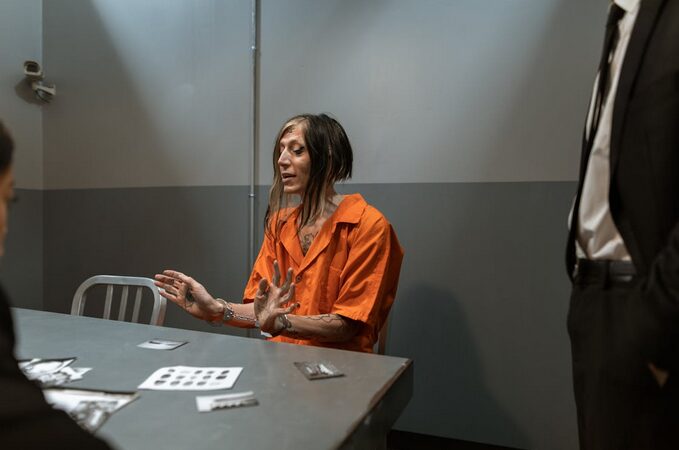
Witnesses often carry experiences and perspectives that shape the courtroom narrative in subtle but significant ways. Their testimonies aren’t just evidence; they are stories filled with personal stakes, conflicting loyalties, and unexpected emotions. Some witnesses are reluctant, some eager, and some haunted by what they must reveal. These behind-the-scenes struggles often illuminate nuances in the law that strict facts alone cannot convey.
Lawyers as Storytellers
Attorneys play a crucial role in bringing these human stories to light. Beyond citing statutes and precedent, they craft narratives that make sense of complex events, translating human behavior into legal arguments. The stories they tell are carefully constructed, but they are grounded in truth, aiming to evoke empathy, clarify motives, and influence outcomes. Courtroom storytelling is the art of balancing the law with human reality.
Judges and the Subtle Human Drama

Judges may seem like impartial arbiters, but they witness the emotional undercurrents of every trial. Their decisions often consider not only the law but also the context behind each confession, testimony, and interaction. Observing a trial reveals how judges weigh human behavior alongside legal rules, reminding us that courtroom decisions are rarely black and white—they are influenced by the stories unfolding before them.
Moments That Never Make the Record
Many significant courtroom moments happen off the official record: whispered conversations, a tearful pause, a hand clenched in tension, or private discussions with counsel. These fleeting interactions can reveal more about the stakes and human cost of a case than the formal transcripts. They are the silent confessions, small gestures, and unspoken emotions that shape the tone and trajectory of justice in ways few ever notice.
Courtrooms are often portrayed as arenas of pure logic and law, but they are ultimately spaces where human stories converge under intense scrutiny. Confessions, witness accounts, and subtle courtroom interactions reveal the emotional complexity behind legal outcomes. By paying attention to these stories behind closed doors, we gain a deeper understanding of justice—not just as a system of rules, but as a human endeavor shaped by courage, vulnerability, and the pursuit of truth. Justice is never only about law; it is always about people.…